
Adventure tourism is no longer niche, and Scotland is perfectly placed for what comes next
“Over the next decade, adventure tourism has the potential to play a pivotal role in Scotland’s visitor economy. People travelling to Scotland may not see themselves as tourists at all, but as learners, explorers and experience-seekers.”
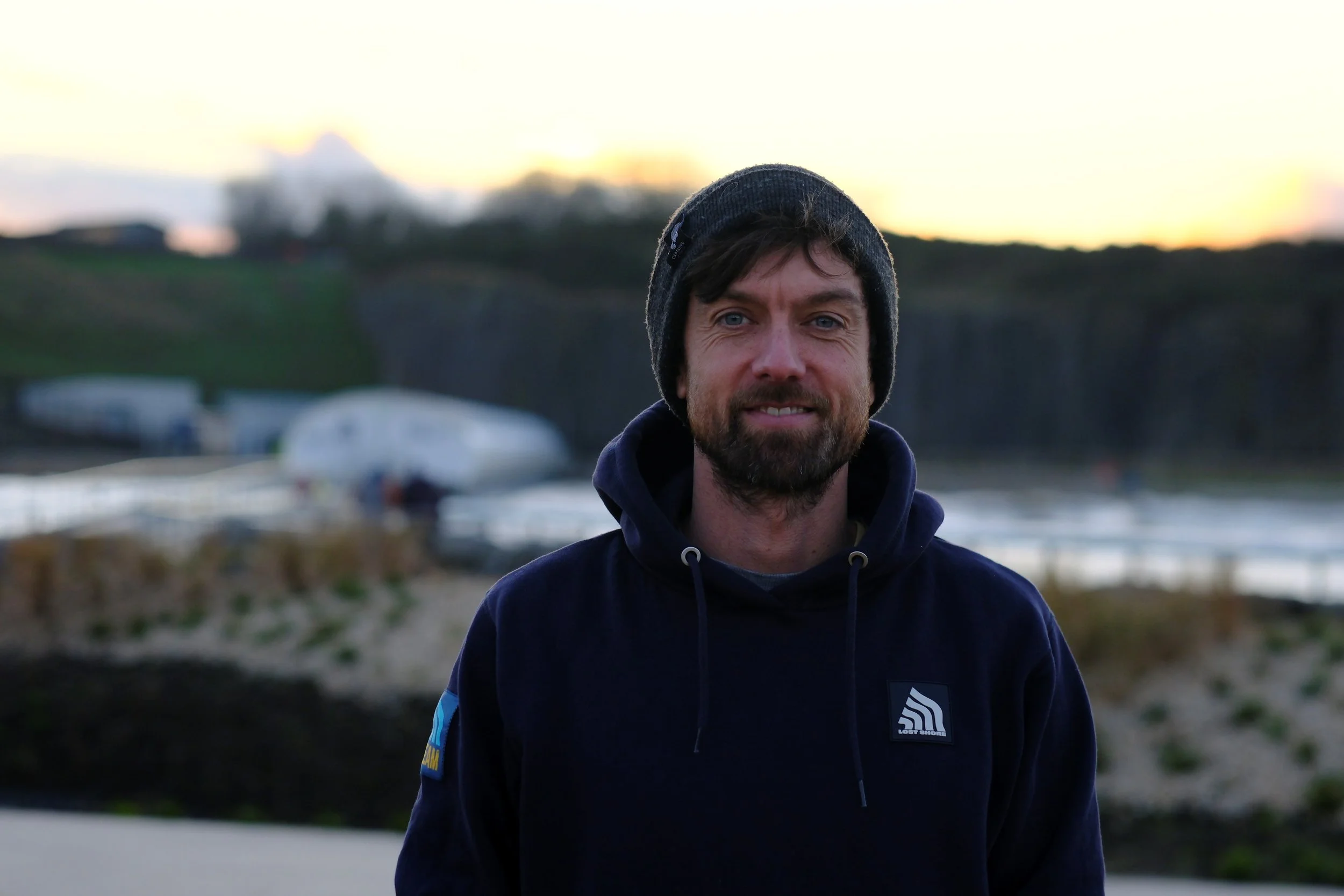
Lee Wood is Managing Director of Lost Shore Surf Resort
Most holidays promise restoration, but not all of them deliver it. We return home with memories and plenty of stimulation, yet often feel as depleted as when we left. That gap between what people hope travel will provide and what it actually gives back is beginning to change where we choose to go and why.
For many, travel now acts as a counterbalance to our demanding, fast-paced lives. We work hard, then ask a great deal of our holidays in return: rest, inspiration, enjoyment and escape, all within a short space of time. Increasingly, travellers are questioning whether those experiences leave anything behind once the bags are unpacked.
From where I sit, running one of Scotland’s newest adventure tourism destinations, Lost Shore Surf Resort, that shift is not coming, it’s already here. For years, adventure was framed as something reserved for the ultra-fit, the fearless, or those willing to take on extreme risk, with no obvious entry point in between.
That definition no longer holds. Adventure has moved into the mainstream not because people have suddenly become more extreme, but because adventure itself has become far more accessible, and, importantly, far more enjoyable.
One of the biggest drivers has been the growth of structured, supportive learning environments. Instructor-led experiences have removed much of the intimidation from activities like surfing. Wave pools have taken this further by reducing uncertainty altogether. When conditions are predictable and progression feels achievable, people are far more willing to try something new, often something they have quietly wanted to do for years.
Accessibility, however, is only part of the story. What people are really responding to is how these experiences make them feel. Adventure and wellbeing are no longer separate ideas. A significant proportion of visitors now cite wellbeing as a key motivation for coming to Scotland, and most say their visit improves their physical, mental or emotional health.
A surf trip is a good example of this evolution. In many ways, it has more in common with a ski holiday than a city break. You are outdoors, active, and fall into a natural rhythm shaped by movement, fresh air and rest. You eat well, sleep well, and the physical demand feels motivating rather than exhausting. Progression is tangible, which makes the experience deeply satisfying. People leave feeling inspired to continue. New habits begin to form, and those habits travel home with them.
At Lost Shore, around half of our visitors are complete beginners. For some, adventure is standing on a surfboard for the first time. For others, it is about refining technique or pushing performance. For many, it is simply stepping outside their comfort zone in an environment that feels supportive, social and welcoming.
Crucially, it is also about people. Almost all of our team are local Scottish surfers who live here, work here and care deeply about what they do. Visitors are not just passing through a destination; they are meeting the people who shape it. That sense of connection to place and community is what makes these trips feel meaningful rather than transactional.
This evolution is opening adventure tourism up to entirely new audiences, including families, corporate groups, older visitors and people with disabilities. It is also creating a real economic opportunity for Scotland.
We are increasingly seeing visitors travel specifically for adventure experiences and then extend their stay to explore more of the country. International guests arrive for the surfing, often catch far more waves than they expect, and then spend time in Edinburgh and beyond. Adventure becomes the gateway, not the endpoint.
Future growth will not come from promoting activities in isolation. It will come from how well we connect adventure with learning, wellbeing, culture and place, and how accessible we make those experiences. Urban and city-edge adventure destinations have an important role to play. They lower barriers to entry, make high-quality adventure easier to access, and help destinations extend stays and smooth seasonality.
Over the next decade, adventure tourism has the potential to play a pivotal role in Scotland’s visitor economy. People travelling to Scotland may not see themselves as tourists at all, but as learners, explorers and experience-seekers.
The destinations that understand that, and design for how people want to feel rather than simply what they want to do, will help define the future of Scottish tourism.
Lee Wood is Managing Director of Lost Shore Surf Resort