Why surfing is becoming one of Scotland's most significant growth opportunities
What other sport would you realistically see people travelling across the world to participate in within Scotland?
And equally, what other emerging sport in Scotland has seen tens of millions of pounds invested into its future?
The answer to both questions is surfing.
Not so long ago, if you had suggested Scotland could become a major player in European surfing, most people would have laughed. But something remarkable is happening. Scotland is no longer simply participating in surfing, we are competing, hosting, investing and increasingly leading.
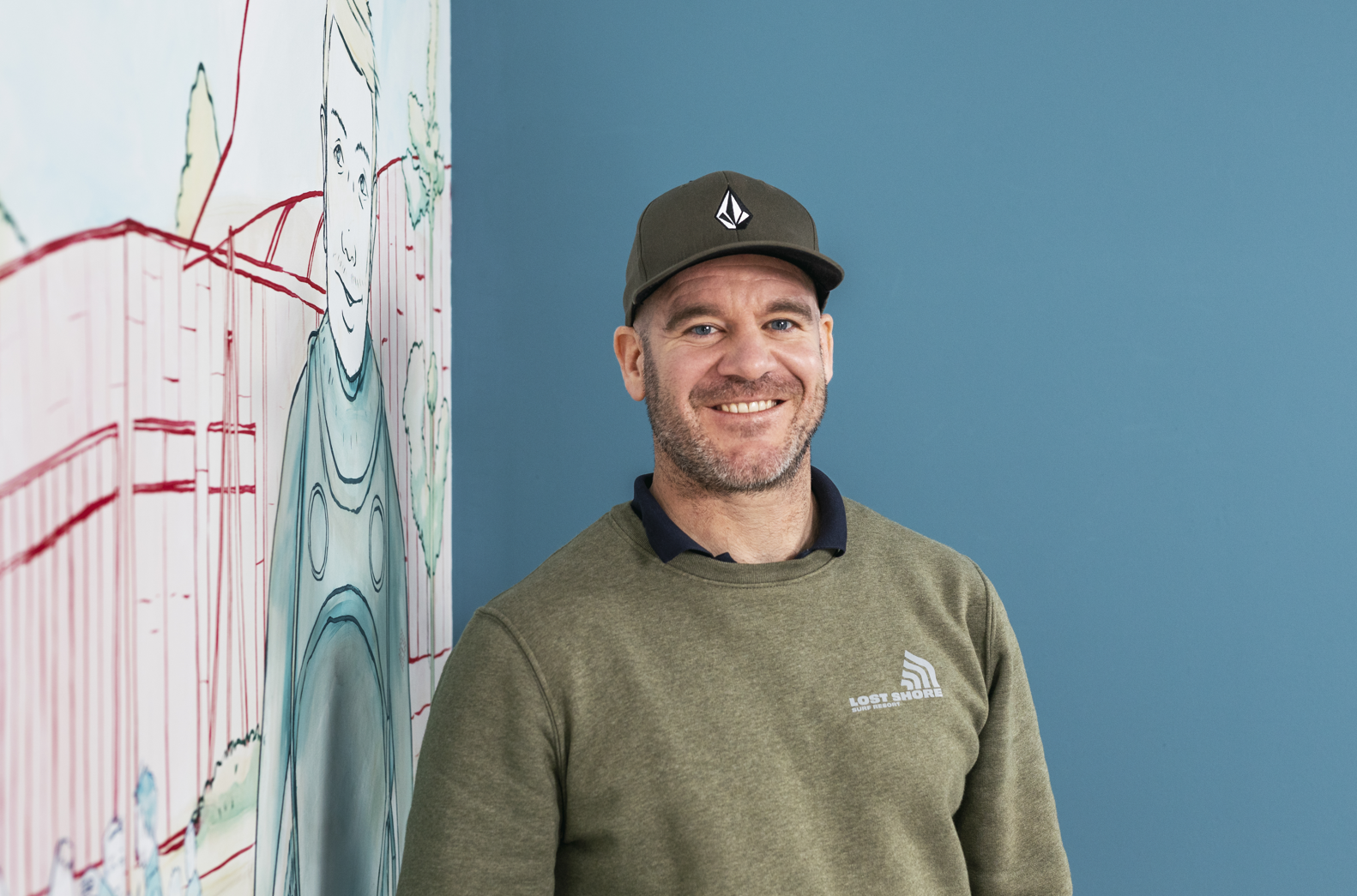
The clearest sign of that came recently at the Hi-Land Fling competition at Lost Shore Surf Resort, home to Europe's largest inland wave pool, where Scottish surfer and Lost Shore instructor Craig McLachlan triumphed against Olympians and European champions. That result wasn't a fluke. It reflected the enormous progress Scotland has made as a surfing nation over the last decade.
At the recent EuroSurf Championships, Team Scotland secured its highest-ever finish, placing 10th internationally. We also achieved our best-ever result at junior level on the world stage. For a nation of our size, competing against countries with generations of surfing heritage, those achievements demonstrate just how rapidly Scottish surfing is developing.
The examples of Scotland punching above its weight in sport are almost always those where facilities, systems and funding combine. The fact that some of those ingredients are still developing makes recent success even more impressive. Athletes such as Ben Larg are helping put Scottish surfing on the world stage. Competing in the World Surf League, Ben has built an international reputation in big-wave surfing, including a third-place finish against a world-class field at Nazaré last year.
The momentum extends beyond individual athletes. For the first time in its history, Scottish Surfing was named UK Sports Governing Body of the Year, beating organisations including the English FA. Success like this does not happen by accident. Elite sport requires infrastructure, investment and opportunity.
More than £60 million has been invested in creating Lost Shore, one of the most significant investments ever made in surfing infrastructure anywhere in Europe. That investment reflects Scotland's potential to become a destination capable of attracting visitors, events and talent from around the world.
The Hi-Land Fling demonstrated exactly what that investment can achieve. We welcomed elite athletes from across Europe, including Olympians and Challenger Series competitors, to compete near Edinburgh in front of international audiences.
That matters economically as much as it does culturally. Globally, surfing has evolved from a niche lifestyle activity into a mainstream participation sport and elite competitive discipline. People travel extraordinary distances to surf, train and compete.
Surfing is no longer niche. It is an economic opportunity. It supports jobs, hospitality, tourism and international visitation while showcasing Scotland to entirely new audiences. But beyond that, it is helping create a new sporting ecosystem centred around athlete development, coaching, research, adaptive surfing and high-performance competition.
Lost Shore Surf Resort is already committed to being the ‘brain of global surfing’ illustrated by our partnerships with the likes of Napier University and our state-of-the-art Surflab, but recent evidence suggests our quest to create world class athletes is happening quicker than expected.
Scotland now has a genuine opportunity to become a European hub for surfing. The foundations are already being put in place through world-class facilities, growing participation, international events and partnerships that support the sport's long-term development.
The rest of Europe is already starting to take notice of Scottish surfing. The foundations have been laid, the talent is emerging and international audiences are paying attention. Scotland now has the opportunity to lead, not follow, in one of the world's fastest-growing sports.